

Merry Christmas!
Christmas is a most joyous and sacred day for Christians. It is appropriate that it is filled with family, food, and presents.
However, as we celebrate Christmas, let us remember what we are celebrating. Here, we explore more about this event in our sixth edition of "The Complete Christmas Story." We will try to set the record straight about that night and examine some of the traditions that have become part of our celebration of that day.
O Holy Night
The manger scene would not have been the beautiful one we depict in nativity scenes. Instead, a young couple of color (they were Middle Eastern) with the woman about to give birth are on the road but can find no place to stay. And so, they seek shelter, most likely in a cave, where someone kept animals. Nowhere does Scripture say it is a stable.
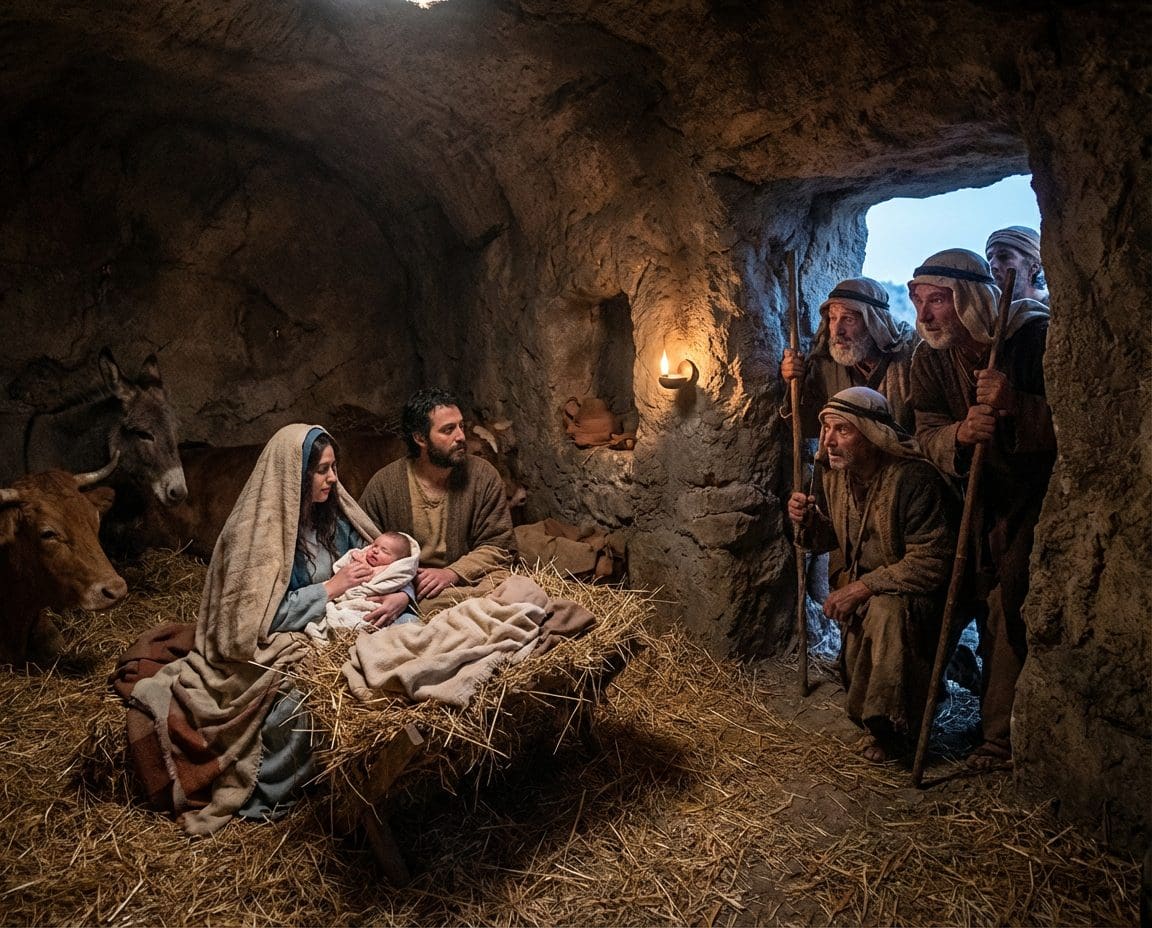
And in this dark and dirty place, the time of birth comes. There is no doctor, nurse, nor probably a midwife to help with the delivery. Men did not help with such things in Joseph's culture, and so he would have known nothing of what to do. But there was just Mary and him. As terrifying as it must have been, with the pain, with the dirt, and with the blood, somehow the birth was completed. But then, what to do with this child? They had some cloth bands, so they used them to wrap this new child and laid him in a trough from which animals feed.
But then some visitors arrived. No, not the Magi from the east, as they were not present at the birth scene. They do not arrive until later, probably much later. They will be the subject of a future edition of "The Complete Christmas Story."
According to Scripture, it is shepherds who arrive. It must have been unsettling to be suddenly visited by strangers who were quite excited and spoke about being visited by angels who told them of this birth. It no doubt helped that angels had previously visited both Mary and Joseph. This whole narrative, which we call the nativity story, must have been quite overwhelming to them. Yet the shepherds' story must also have been confirming and comforting. Indeed, Scripture records that "Mary treasured all these words and pondered them in her heart" (Luke 2:19).
The Celebration of Christmas
Christmas, as we celebrate it, is a colorful blend of Christianity, culture, and yes, lingering vestiges of paganism. Though the contemporary holiday commemorates the birth of Jesus Christ, much of its favorite trappings – from adorned trees and bountiful feasts to mistletoe smooches and yule logs – can be traced back to pre-Christian rituals to venerate the winter solstice and soothe the elements through the darkest time of year. The history of Christmas is enchanting, as pagan rituals were co-opted and reinvented into the traditions we know and love.
The Winter Solstice – A Basis of Celebration

Millennia before Christianity, the winter solstice, near December 21st, was of tremendous importance to cultures throughout the Northern Hemisphere. This was the time of the winter solstice, the shortest day and longest night of the year, when the sun appeared to stand still, at risk of disappearing forever into the void.
Ancient civilizations, keenly attuned to the sun's crucial role in their survival, established ceremonies and festivals to welcome it back and celebrate the promise of longer daylight and new life.
Yule
Among the Germanic and Norse peoples, the winter solstice was known as Yule. This was a time of gluttony and revelry, toasting to the gods, especially Odin. Bonfires were lit to represent the sun's strength, and evergreen trees were brought into the home as a token of everlasting life and hope during the despair of winter. The Yule log, a massive log dressed in holly and blazing in the hearth, symbolized the victory of light over darkness.
Saturnalia
In ancient Rome, the festival of Saturnalia, dedicated to the god of agriculture, Saturn, was celebrated from December 17th to 23rd. It was an orgiastic period of drinking, excessive eating, the exchange of presents (commonly little statues and candles), and the overturning of social ranks. Enslaved people were allowed a brief taste of freedom, while citizens feasted at public banquets and games.
The Roman Sol Invictus
Later in the Roman Empire, the cult of Sol Invictus (the Unconquered Sun) became popular. December 25th became the "Birthday of the Unconquered Sun" (Dies Natalis Solis Invicti). This festival to the sun god reaffirmed the sun's cyclical resurrection and triumph over the darkness.
The Ascension of Christianity and the Adoption of Pagan Customs
As Christianity became ascendant across Europe, it came into conflict with these time-honored pagan holidays. Instead of trying to eliminate them, the early Church cleverly took them over. It adapted many of them, re-casting them in a Christian context. This syncretism – the blending of different religious beliefs and practices – enabled Christianity to become more widespread and assimilate more easily into prevailing cultural values.

The Date of Christmas
While the Bible provides no specific date for the birth of Jesus, the Church eventually settled on December 25th. This date corresponded with the Roman festival of Sol Invictus and was near other pagan solstice celebrations. By linking Christ's birth to the sun's return, the Church metaphorically cast Jesus as the "light of the world," supplanting the pagan sun god with the Christian savior.
Evergreen Trees
The practice of bringing evergreen trees indoors, common during Yule and other winter solstice celebrations, was gradually adopted into Christian Christmas traditions. The evergreen tree symbolized eternal life through Christ, as well as the hope and renewal that Christianity offered. Ornaments, including apples, nuts, and candles, were introduced, making the tree a representation of both prosperity and illumination.
Mistletoe
In Celtic traditions, mistletoe was considered a sacred plant with potent healing and protective properties. Druids thought it could repel evil spirits and manifest good fortune. The custom of kissing under the mistletoe probably originated in these rituals—a moment of truce and the potential for fertility and good tidings. Although the Church initially scorned it, it ultimately became an accepted and even beloved Christmas tradition.
Feasting and Gift-Giving
The Roman Saturnalia was known for its elaborate feasts and exchange of gifts. This custom eventually made its way into Christmas, with the focus shifting from Saturn to the generosity and love of baby Jesus. The gift-giving element became a representation of the gifts the Magi gave to baby Jesus.
The Yule Log
The burning of the Yule log, a pagan tradition symbolizing the triumph of light over darkness and a means of keeping evil spirits at bay, became a Christian symbol of the warmth and hospitality of the Christmas season. Over time, the tradition morphed into the Christmas cake. This decadent, frosted cake represented the "log" to be shared and savored.
The Evolution Continues: Religious Holiday to Secular Celebration
Christmas kept evolving for centuries thereafter. During the Reformation, some Protestant churches tried to eliminate so-called 'pagan' traditions, while others took a more moderate stance. The Victorian era of the 19th century saw a revival of Christmas traditions, introducing such novelties as Christmas cards, ornamented Christmas trees, and the promotion of Santa Claus as a jolly gift-giver.
The modern image of Santa Claus is a composite figure, drawing inspiration from various sources, including Saint Nicholas, a 4th-century Greek bishop known for his generosity and kindness, and pagan folklore figures associated with the winter solstice. Through the words of Clement Clarke Moore and the cartoons of Thomas Nast, the image of a jolly old, bearded man in a red suit, flying the skies in a reindeer-pulled sleigh, became firmly cemented in the popular imagination.
Conclusion
Christmas, as practiced today, is a monument to the enduring power of cultural transformation and the human yearning for significance and communion during the year's darkest season. Though we now most commonly associate the holiday with the Christian celebration of Jesus' birth, many of its traditions are rooted in pagan practices from centuries before Christianity. By weaving these into the Christian tale, it was easier to transition and celebrate more broadly. By rediscovering the pagan origins of Christmas, we gain a deeper appreciation for the holiday's multifaceted past and uncover the powerful cultural metamorphosis that can turn long-ago rites into beloved contemporary rituals. Knowing this colorful past, we're able to really enjoy the many different aspects that have contributed to Christmas as the dynamic and vibrant holiday it remains.
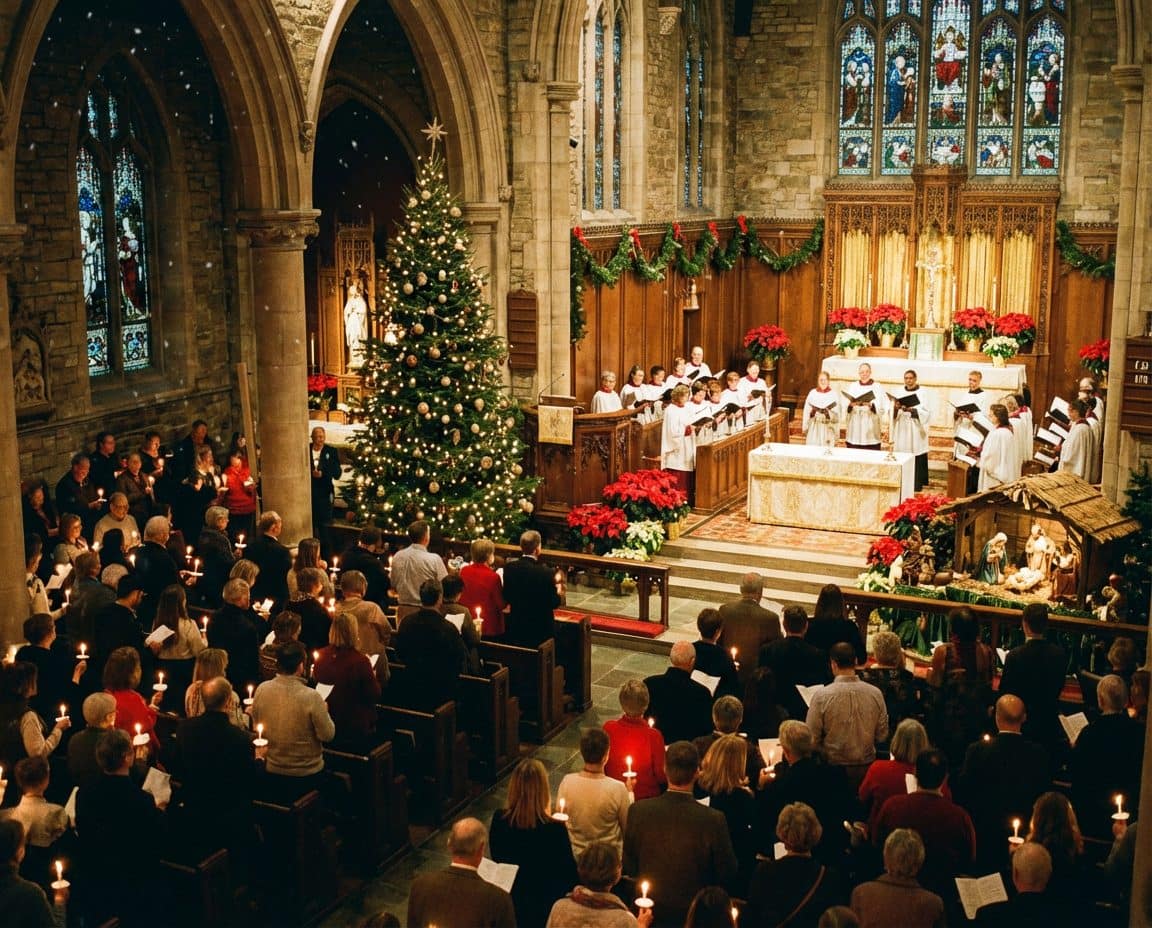
There is nothing wrong with Christians incorporating the previous traditions into Christmas celebrations, even though they have pagan roots. It is not the pagan roots that are problematic, but rather the multitude of practices that obscure the celebration of the actual event.
While it is a catchphrase, it holds truth: "Put Christ Back In Christmas." Christians must never forget that the holiday is about the birth of a baby to a poor couple who were on the road, spending the night in a place where animals were kept. It was a scene of pain, dirt, confusion, and blood. Yet, Christians believe that this child was born to be the light of the world and that in this most unlikely of places, shepherds came to testify to that very thing.