
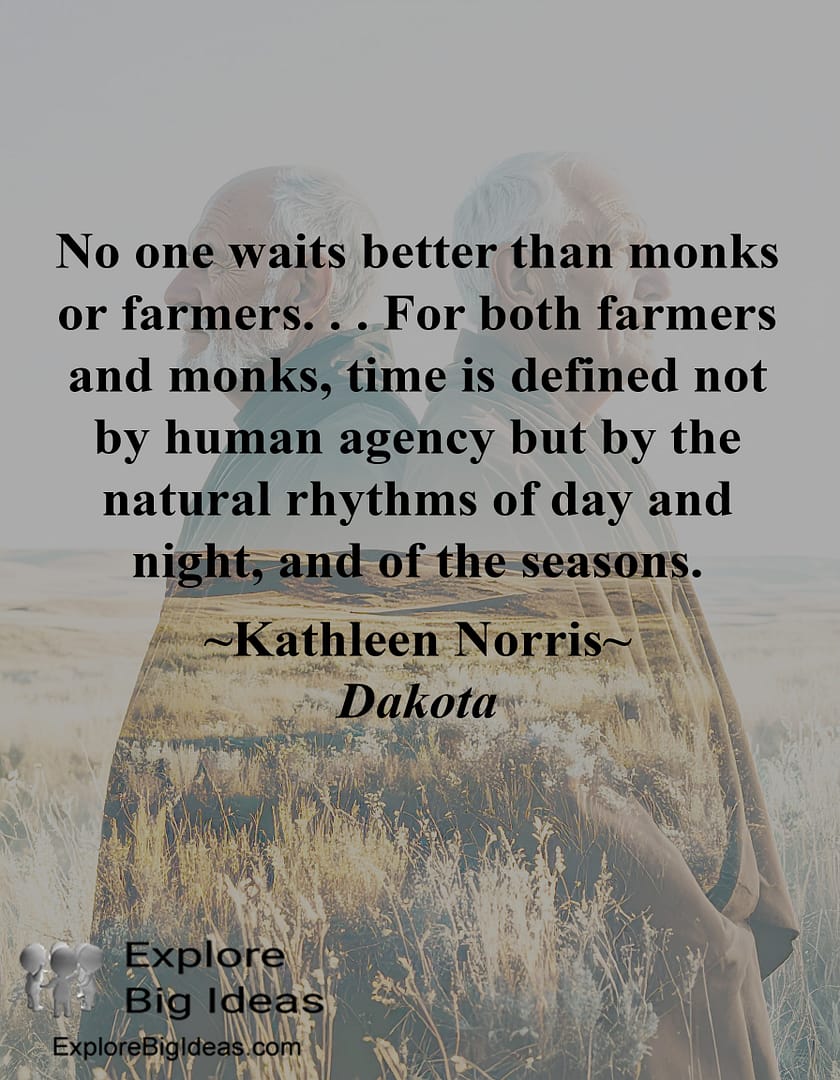
In her profound work, Dakota, Kathleen Norris captures the essence of patience through the wisdom of two seemingly disparate groups: monks and farmers. No one waits better than monks or farmers; for both, time is not under human control. Still, time is something dictated by the rhythms of day and night. The seasons provide a sharp reminder of how connected our lives are to the natural world and its cycles. Here we explore the complexity of this concept by examining the lives of monks and farmers, as well as the general lessons for how we approach time and patience in our own lives.
Norris and Dakota
Kathleen Norris was born in Washington, D.C., in 1947. Following a partial Hawaiian childhood and a literary launch in New York City, her life took a turn when she moved into her grandparents' home in Lemmon, South Dakota, after they died in the late 1970s. However, this move would eventually revolutionize her worldview and profoundly influence her writing, compelling her to explore all things mystical and neighborly.
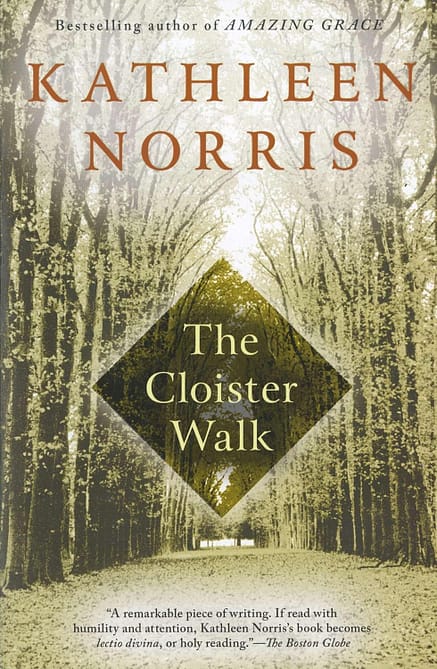
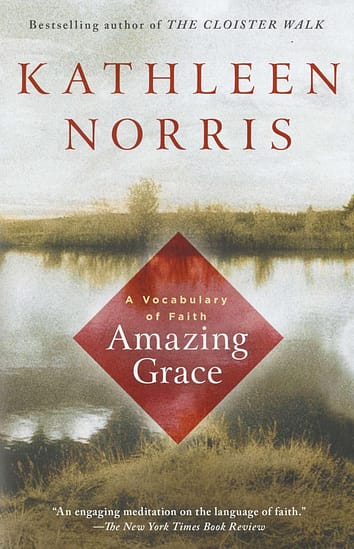
Norris began as a poet, but rose to widespread attention with Dakota, her first nonfiction work, lauded for its lyrical prose and profound insights. Norris, meanwhile, has written a handful of other books throughout her career, including The Cloister Walk and Amazing Grace: A Vocabulary of Faith.
Still, she's best known as a leading voice in the spiritual and contemplative literary space. Her work often bridges the ancient religious traditions with the modern world, striking a chord with readers across a range of spiritualities, histories, and cultures.
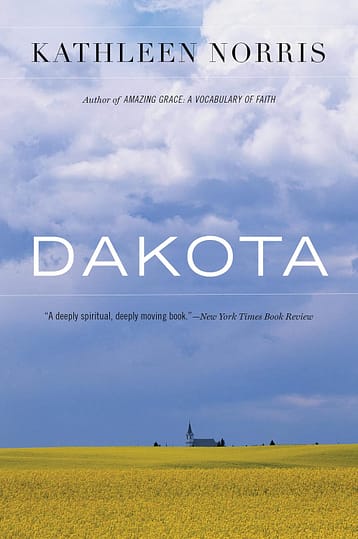
Dakota: A Spiritual Geography is a poignant and introspective exploration of life on the Great Plains, particularly in North and South Dakota, through her eyes. Published in 1993, this book defies categorization, somewhere between memoir, spiritual meditation, and cultural critique. It solidified Norris' reputation as a keen chronicler of the convergence of location, spirituality, and identity.
The Monastic Life: Waltzing with the Hours
Monks are the saints of patience and solitude. Their routines are instinct with simplicity and devotion, fashioned to fit in with the seasons. Each day comes with a cadence not measured by clocks but by the rising and setting of the sun, the changing of the seasons, and the holy ceremonies that define their existence.
In monasteries, time is holy. The time is segmented into prayer, labor, and meditation. These rituals encourage a heightened consciousness of the here and now, forcing monks to surrender to the stillness and wait for illumination or God to manifest. Norris argues that this sharp patience isn't simply waiting; it's about cultivating a friendship with time, one that permits maturation, contemplation, and a more profound glimpse of life's meaning.

The Farmer's Cycle
Likewise, farmers live in an Earth-driven world. Their lives are bound to the seasons, each harvest an end and a new beginning. The farmer's calendar is defined by planting, growing, and harvesting, which can't be hurried but must take their course in tune with nature's schedule.
Waiting for crops to grow is the ultimate example of faith in the process. Farmers have to be watchful, paying attention to shifts in weather, soil, and pest behavior.
And for every choice they make, there's a nod to one farmer's knowledge of the ecosystem and the value of patience for the best harvest. Through their labor, farmers impart a silent lesson: that patience, combined with effort and nurturance, tends to yield generous returns.
The Larger Context:
Contemporary Existence and the Skill of Anticipation
In a time of immediate rewards and the ever-present ticking down of time, Norris's wisdom seems increasingly timely. Our modern culture is obsessed with speed; we're still too caught up in a world of quick fixes and instant returns. But the sage advice of monks and farmers forces us to rethink our connection to time. We can forget the magic of waiting and watching, becoming alienated from the wild world and the profound pulsations of existence.
Norris encourages us to pause—to discover our own "natural rhythms" in the frenetic whirl of contemporary life. Such a mindset can be freeing, nudging us to embrace the calm interludes in our lives — meditation, a peaceful walk at dusk, or pausing to admire our surroundings.
Conclusion: An Appeal for Patience
The quote from Dakota serves as a gentle reminder of the virtues of patience and the importance of aligning ourselves with nature's cycles. While monks and farmers have an intimate feel for time, we can also develop mindfulness. By welcoming the beauty of waiting and the natural rhythms that shape our lives, we give ourselves space to mature, to contemplate, and, in the end, to discover more depth in our own paths. In a rushing world, maybe, after all, waiting can be of greatest value in the human adventure — beckoning us all to live more profoundly and deliberately in tune with the world around us.