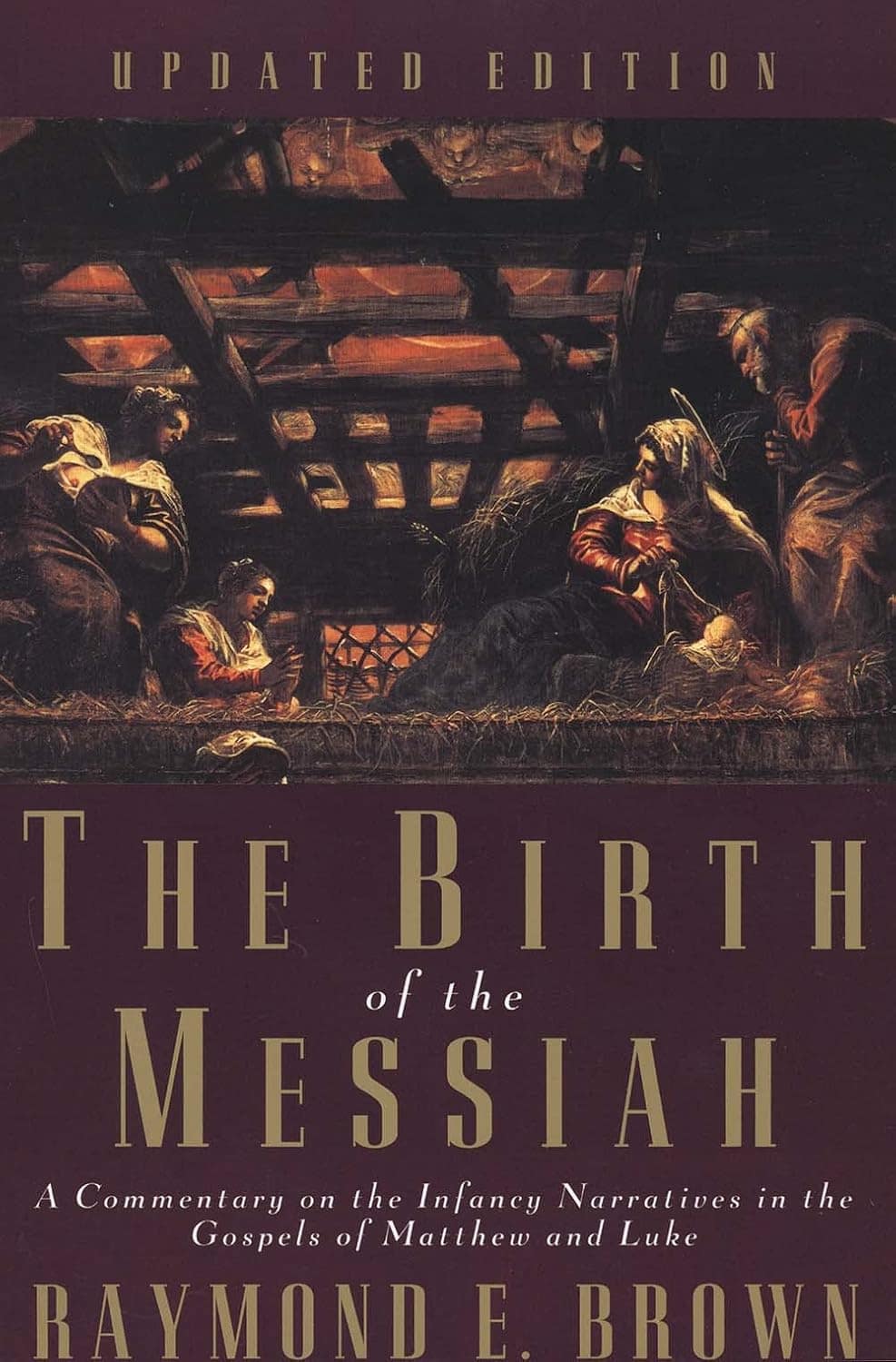

Many mistakenly think the Christmas narrative ends with Jesus' birth in Bethlehem. However, that is not the case. At that point, the arrival of the Magi had not yet happened.
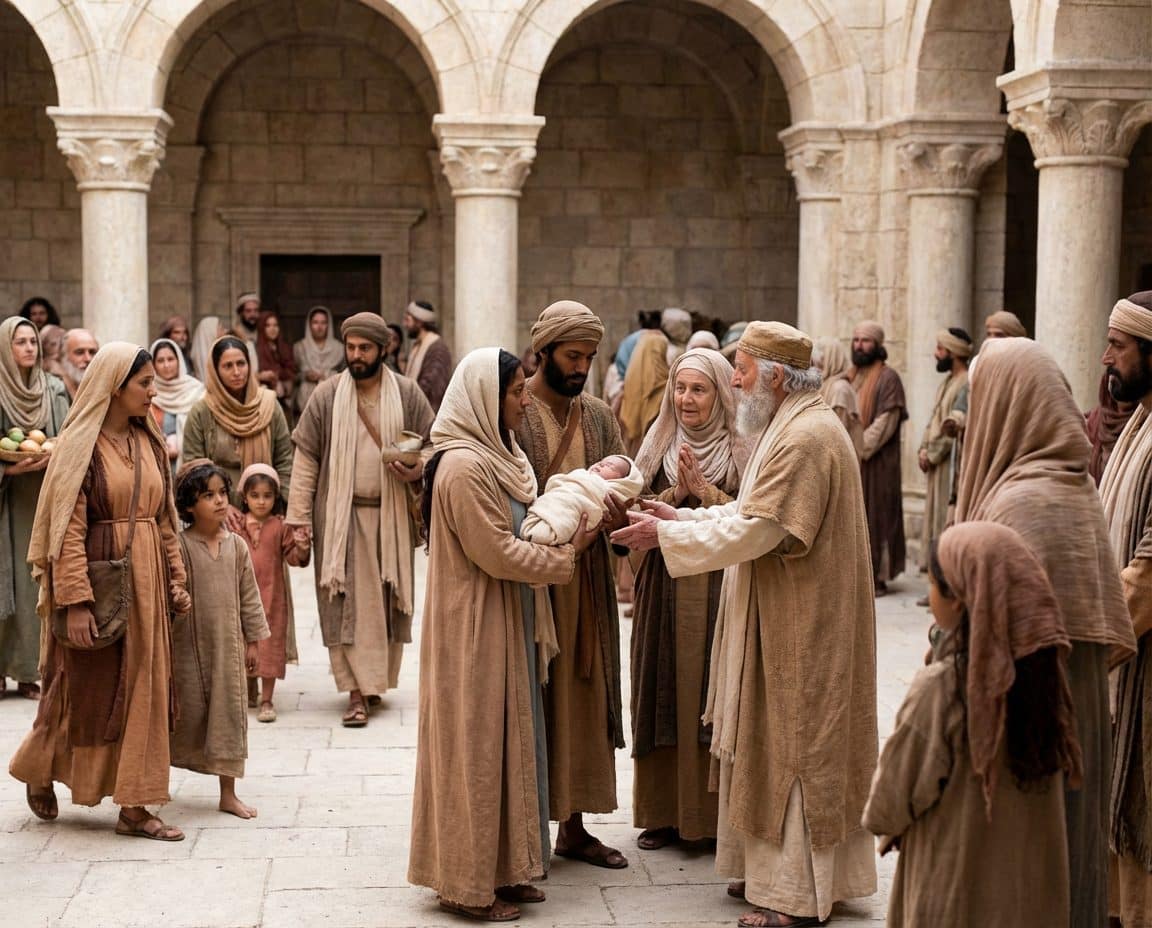
In the continuation of the Christmas story, the Gospel of Luke offers a touching and profound account of Jesus' days after his birth. Like the more familiar nativity scene, these events, including Jesus' circumcision, naming, and presentation at the Temple, are packed with theological insights that still speak powerfully to Christians today.
The early chapters of the Gospel of Luke recount Jesus' infancy. Luke 2:21-38 narrates these foundational events, highlighting the fulfillment of Jewish law and the recognition of Jesus' unique role by figures such as Simeon and Anna. In this seventh episode (of 12) from our series “The Complete Christmas Story,” we explore the biblical narrative, the reactions of Simeon and Anna, and the enduring significance of these events in Christian theology and contemporary faith.
Jesus' Circumcision and Naming
According to Luke 2:21, Jesus was circumcised on the eighth day after his birth, in accordance with Jewish custom. This act signified his inclusion in the covenant community of Israel, as prescribed in the Law of Moses (Genesis 17:12; Leviticus 12:3). On this occasion, he was officially named "Jesus," the name given by the angel Gabriel before his conception (Luke 1:31). The name "Jesus" means "The Lord saves," emphasizing his mission as Savior. This was not simply a ceremonial activity — it was a tangible expression of Mary and Joseph's dedication to raising Jesus within the covenant established by Abraham. It was Jesus' entry into the Jewish people, making him a Jew.
The Presentation at the Temple (Luke 2:22-24)
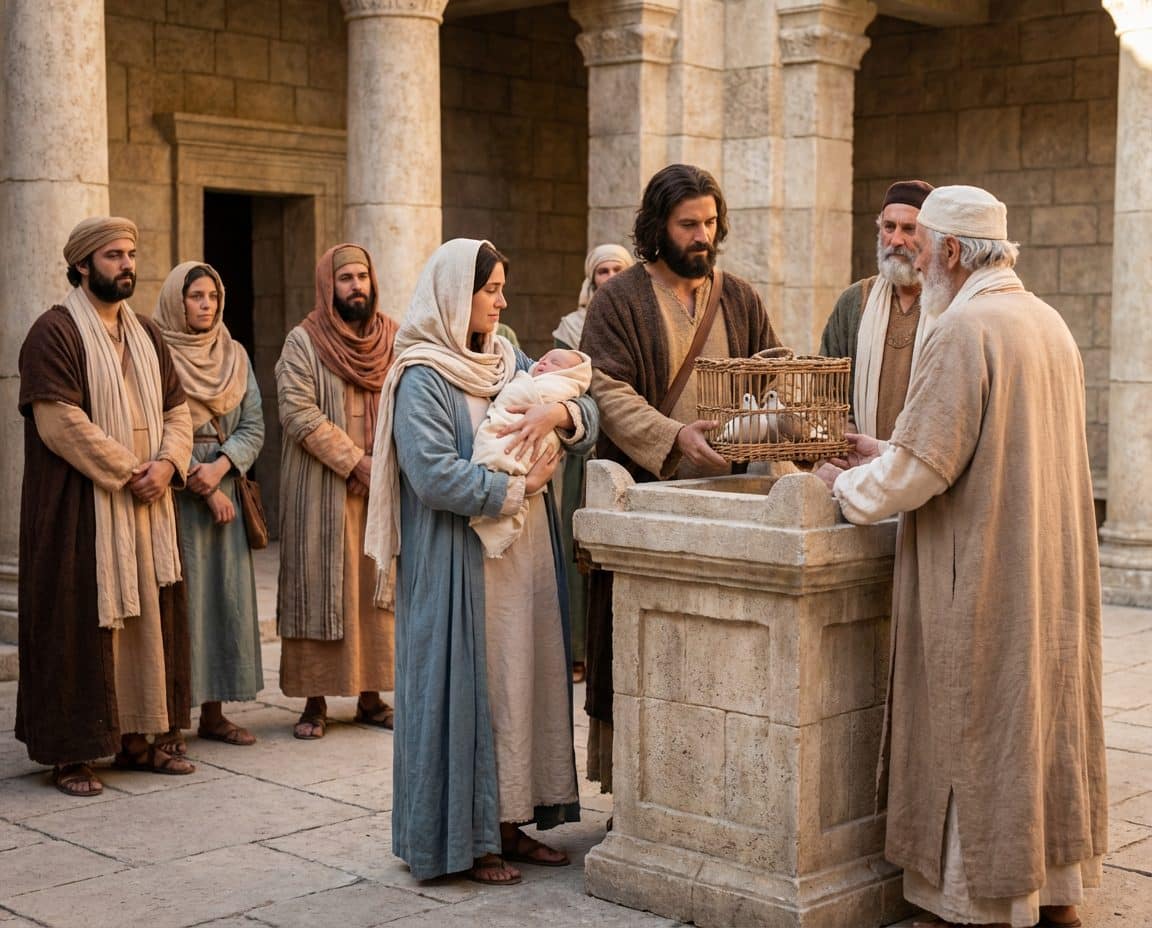
According to the Mosaic Law, forty days after Jesus was born, Mary and Joseph journeyed to the Temple in Jerusalem to have two things done–Mary's purification, and Jesus' presentation to the Lord (Leviticus 12 and Exodus 13:2, 12). This involved presenting Jesus to the Lord as their firstborn son and offering a sacrifice—"a pair of doves or two young pigeons"—as prescribed in Leviticus for those who could not afford a lamb. This presentation of Jesus to God represented his full devotion to divine service.
Simeon and Anna
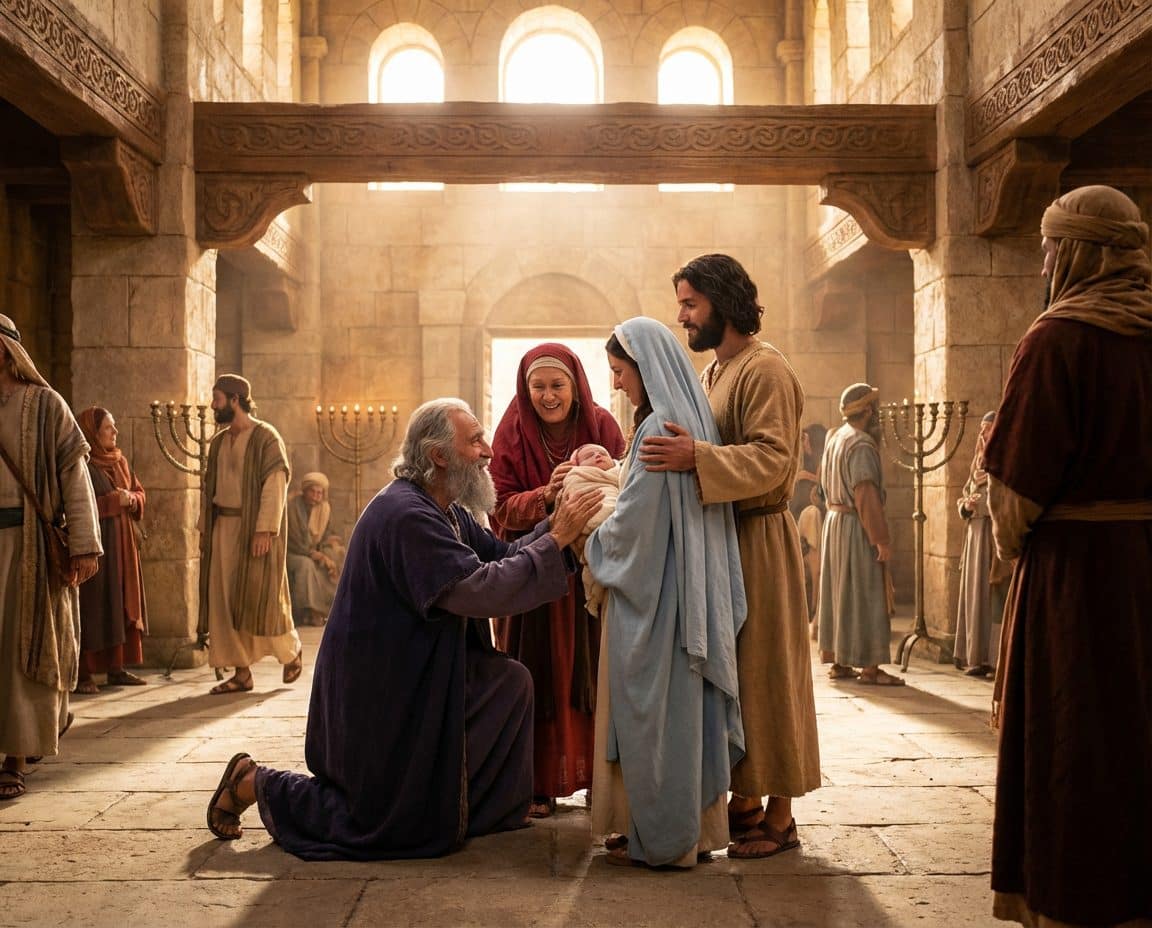
It was in the Temple that the holy family met two amazing people, Simeon and Anna. Simeon, a righteous and devout man, had been promised by the Holy Spirit that he would not die before he had seen the Lord's Messiah. Led by the Spirit, he identified Jesus as the Messiah.
He blessed God and said, 'Lord, now you are letting your servant depart in peace, according to your word, for my eyes have seen the salvation that you prepared in the presence of all peoples, a light for revelation to the Gentiles, and for glory to your people Israel' (Luke 2:29-32). Simeon's words, known as the Nunc Dimittis, beautifully express the fulfillment of God's promise and the universal scope of salvation.
Simeon also prophesied to Mary, foreshadowing her anguish as the Messiah's mother: “This child is destined for the falling and the rising of many in Israel, and to be a sign that will be spoken against, so that the thoughts of many hearts will be revealed. And a sword shall pierce through your own soul also" (Luke 2:34-35). This prophecy foreshadows the suffering and rejection Christ would encounter, and the profound heartache it would cause Mary.
Anna, the prophetess who had lived her life in the Temple, identified Jesus as the Savior of Jerusalem. Luke tells us that she was quite old, lived a very devout life in the Temple, and spoke about the child to all who awaited the redemption of Jerusalem (Luke 2:36-38). Her testimony also continued to validate Jesus' identity as the Messiah, offering hope to all who were waiting on God's promised deliverance. In addition, Luke's account of a female prophet foreshadows Jesus’ radical inclusion of women in his ministry.
The Implications for the Larger Christian Narrative
This story is important for a few reasons:
Fulfillment of Prophecy: The events fulfill Old Testament prophecies about the Messiah, demonstrating Jesus' continuity with Jewish tradition while also transcending it.
Jesus' Jewish Identity: The circumcision and presentation underscore Jesus' Jewish identity and his upbringing within the law. He was born of the law, to redeem those of the Law (Gal 4:4-5).
Universal Salvation: Simeon's prophecy of Jesus as “a light for revelation to the Gentiles” indicates all peoples are part of God's salvation plan.
Jesus' Divine Purpose: The narrative emphasizes Jesus' unique relationship with God and his mission as the Savior of the world.
Foreshadowing of Suffering: Simeon's prophecy to Mary foreshadows the suffering and sacrifice that Jesus would ultimately endure on the cross.
Importance for Christians Today
This passage has some relevant lessons for Christians today:
Obedience to God's Will: Mary and Joseph's adherence to Jewish Law demonstrates the importance of obedience to God's commands, even when they seem challenging or inconvenient.
Humility and Sacrifice: Their offering of the sacrifice for the poor highlights the virtues of humility and sacrifice in serving God.
Recognition of God's Presence: Simeon and Anna exemplify the importance of being open to the leading of the Holy Spirit and recognizing God's presence in unexpected places.
Hope and Redemption: The story brings hope to all who await God's salvation. It reminds us of God's faithful promises and that salvation is for all.
Understanding Jesus' Heritage: Grasping the Jewish background of Jesus' life and ministry is crucial to a richer comprehension of the Gospels and the Christian faith. It reminds us that Christianity didn't pop out of nowhere but has its roots in Judaism.
Embracing Universal Love: The message of universal salvation calls Christians to embrace all people, regardless of their background or ethnicity, and to share the good news of the Gospel with the world.
Faith Amidst Suffering: Simeon's prophecy to Mary serves as a reminder that discipleship may involve suffering. Christians are to be faithful even in trial, in faith in God's ultimate victory.
Conclusion
The story of Jesus' circumcision, naming, and presentation at the Temple in Luke's Gospel is a rich and significant passage. It reveals Jesus' messianic identity, prophesies his coming, and teaches Christians today. It calls us to obedience, humility, hope, and to a spirit for the world of the Gospel. But it is a forceful reminder of the bedrock significance of Jesus' Jewish background and the global breadth of God's love.